


Hey there! As a supplier of steel cutting discs, I often get asked about the environmental aspects of these handy tools. You know, people are more aware of the environment than ever before, and they want to know if our products are causing any harm. So, let's dive right in and explore the possible environmental concerns associated with steel cutting discs.
1. Manufacturing Process
The production of steel cutting discs involves several steps, and each one has its own environmental footprint. First off, the raw materials. Steel cutting discs are made mainly from abrasive materials like aluminum oxide or silicon carbide, along with a metal matrix, usually steel. Mining these raw materials can have a significant environmental impact. Mines can disrupt local ecosystems, cause soil erosion, and contaminate water sources.
Also, during the manufacturing process, a lot of energy is consumed. Factories need to heat and shape the materials to make the cutting discs. Most of the energy comes from non - renewable sources like coal and natural gas, which release greenhouse gases into the atmosphere. These gases are a major contributor to global warming.
However, at our end, we're constantly working on reducing these impacts. We're looking for suppliers who use more sustainable mining practices. And we're upgrading our manufacturing facilities to be more energy - efficient. For instance, we're investing in new machinery that uses less electricity and produces fewer emissions.
2. Usage and Emissions
When you're using a steel cutting disc, there are a few environmental issues to consider. One of the biggest problems is the dust generated during the cutting process. The dust contains tiny particles of the abrasive material and the steel being cut. Inhaling this dust can be extremely harmful to human health, causing respiratory problems like silicosis.
From an environmental perspective, this dust can contaminate the air and soil. If it's not properly contained, it can spread over a large area. The particles can also end up in water bodies, which can harm aquatic life. To mitigate this, we recommend using proper ventilation systems when working with our 4 Inch Steel Cutting Disc or 9 Inch Steel Cutting Disc. Also, using dust collection devices can significantly reduce the amount of dust released into the environment.
Another thing is the noise pollution. The high - speed rotation of the cutting disc creates a lot of noise. Prolonged exposure to this noise can cause hearing damage to workers. And in a residential area, it can be a real nuisance. We're always looking for ways to make our cutting discs quieter, but it's a bit of a challenge because the cutting efficiency is related to the speed and power, which also generate noise.
3. Disposal
Once a steel cutting disc has reached the end of its useful life, disposal becomes an issue. These discs are made of a combination of materials, and separating them can be difficult. If they're sent to landfills, the abrasive materials and metals can leach into the soil and groundwater over time. This can contaminate the water supply and harm the local ecosystem.
We're trying to promote recycling programs for our cutting discs. By recycling, we can recover the valuable metals and reduce the demand for new raw materials. It's a win - win situation. Not only does it help the environment, but it also saves costs in the long run.
4. Our Solutions and Future Plans
As a supplier, we take these environmental concerns seriously. We're committed to making our products as eco - friendly as possible. We've already started implementing some changes in our manufacturing process. For example, we're using more recycled materials in our cutting discs. This reduces the need for new raw materials and cuts down on the environmental impact of mining.
We're also working on developing new technologies to reduce dust and noise emissions during usage. Our R & D team is constantly testing new materials and designs to make our Cutting Disc for Stainless and other products more sustainable.
In addition, we're planning to expand our recycling programs. We want to make it easier for our customers to return their used cutting discs so that we can recycle them properly. We believe that by working together with our customers, we can make a big difference in protecting the environment.

5. Why Choose Our Steel Cutting Discs
Despite the environmental challenges associated with steel cutting discs, there are many reasons why our products are a great choice. First of all, we're dedicated to quality. Our cutting discs are designed to be highly efficient, which means you can get the job done faster and with less energy. This not only saves you time and money but also reduces the overall environmental impact.
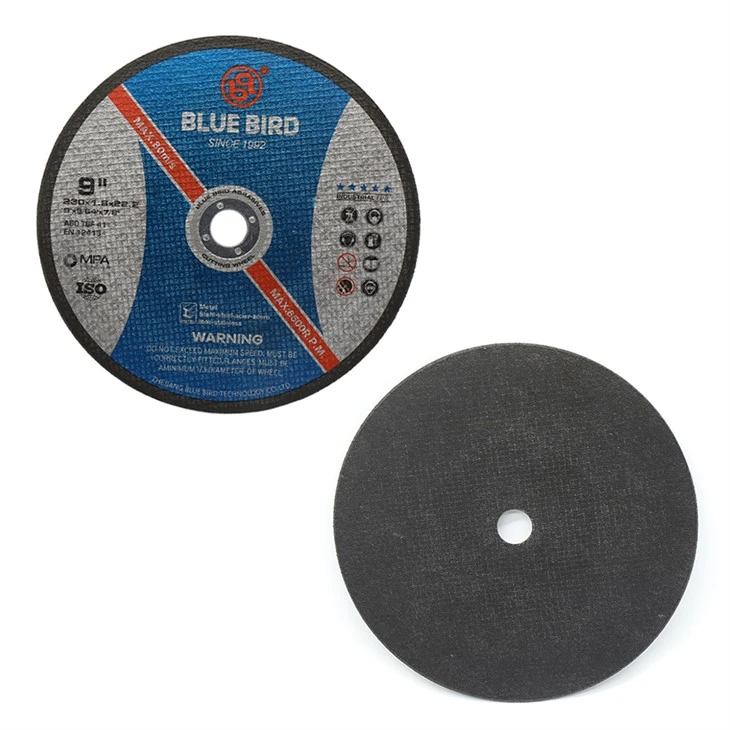
We also offer a wide range of sizes and types to meet different customer needs. Whether you need a 4 Inch Steel Cutting Disc for small - scale projects or a 9 Inch Steel Cutting Disc for heavy - duty work, we've got you covered. And our Cutting Disc for Stainless is specifically designed to cut through stainless steel with ease.
Another advantage is our commitment to environmental protection. We're constantly striving to improve our products and processes to be more sustainable. When you choose our steel cutting discs, you're not only getting a high - quality product but also supporting a company that cares about the environment.
6. Let's Talk
If you're in the market for steel cutting discs, I'd love to have a chat with you. We can discuss your specific needs and how our products can meet them. Whether you're a small business owner or part of a large construction company, we have the right cutting solution for you. And if you have any questions or concerns about the environmental aspects of our products, I'm more than happy to answer them. So, don't hesitate to reach out and start a conversation. We're looking forward to working with you.
References
- "Environmental Impact of Abrasive Manufacturing", International Journal of Sustainable Manufacturing
- "Health and Environmental Risks of Industrial Cutting Processes", Occupational Health and Safety Magazine
- "Recycling of Abrasive Products", Waste Management and Recycling Research Institute


