


Hey there! As a supplier of Flexible Flap Discs, I often get asked if there are any special handling requirements for these nifty tools. Well, you bet there are, and I'm here to break it down for you.
First off, let's talk about what flexible flap discs are. They're these amazing abrasive tools that consist of multiple overlapping flaps attached to a backing plate. These flaps are made of abrasive material, and they're great for grinding, blending, and finishing a variety of materials like steel, stainless steel, and even some non - ferrous metals.
Storage
When it comes to storing flexible flap discs, it's crucial to keep them in a dry and cool environment. Moisture can be a real enemy here. If the discs get wet, the abrasive material on the flaps can start to degrade, and the bonding between the flaps and the backing plate might weaken. I once had a customer who stored their discs in a damp basement. When they tried to use them, the flaps were falling off, and the grinding performance was terrible. So, make sure to store your 230mm Flap Disc in a place where the humidity is low, like a climate - controlled storage room or a tool cabinet.
Also, avoid stacking heavy objects on top of the discs. The flaps are flexible, but too much pressure can deform them. If the flaps are bent out of shape, they won't wear evenly during use, which means you'll get an uneven finish on your workpiece.
Handling During Installation
Installing a flexible flap disc is usually a straightforward process, but there are a few things to keep in mind. First, always make sure the grinder is turned off and unplugged before you start. Safety first, right?
When you're attaching the disc to the grinder, check the arbor size. The arbor on the grinder should match the hole size in the center of the flap disc. If the arbor is too small, the disc might not be held securely, and it could come loose during operation, which is super dangerous. On the other hand, if the arbor is too large, you won't be able to install the disc at all.

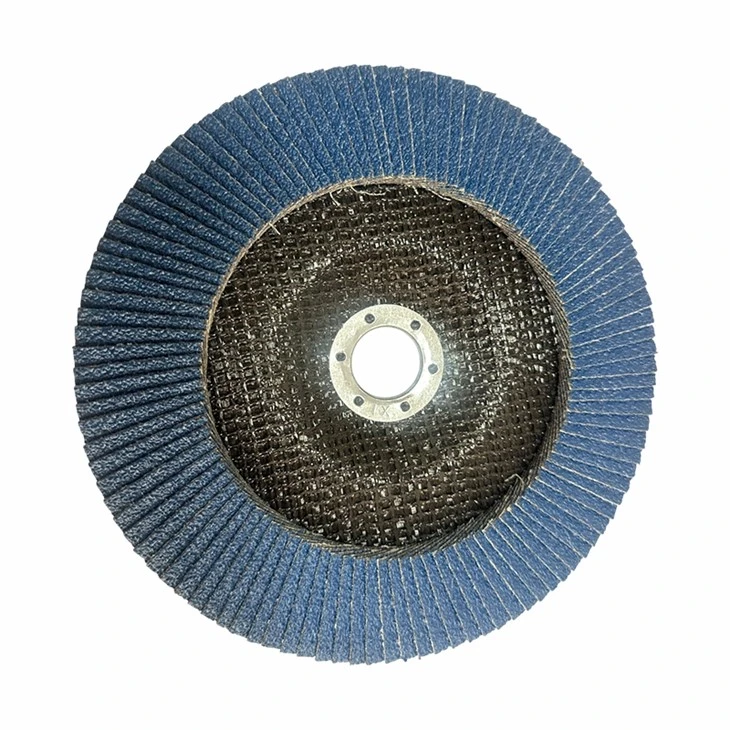
Once you've got the right arbor size, tighten the nut or the mounting hardware properly. But don't over - tighten it. Over - tightening can damage the backing plate of the disc, and it might also make it difficult to remove the disc later.
Operation
During operation, there are several key points to pay attention to. First of all, use the right speed. Each flexible flap disc has a recommended maximum operating speed, which is usually marked on the disc itself. Running the disc at a speed higher than the recommended one can cause the flaps to fly off, and it can also lead to overheating, which will reduce the lifespan of the disc.
For example, if you're using a Diamond Flap Disc, these are designed for high - performance grinding, but they still have their limits. Running them too fast will not only be dangerous but also wasteful, as you'll have to replace the disc more often.
Another important thing is the pressure you apply. Don't press too hard on the disc. Flexible flap discs are designed to work with a light to moderate pressure. Applying too much pressure can cause the flaps to wear out quickly, and it can also result in a poor finish on your workpiece. Let the disc do its job at its own pace.
Also, make sure to use the disc on the right type of material. Different flap discs are designed for different materials. For instance, a 40 Grit Flap Disc is great for heavy - duty grinding on steel, but it might be too aggressive for softer materials like aluminum. Using the wrong disc on a material can lead to damage to both the disc and the workpiece.
Inspection
Regular inspection of the flexible flap disc is a must. Before each use, take a quick look at the disc. Check for any signs of damage, such as cracks in the backing plate, loose flaps, or excessive wear. If you notice any of these issues, don't use the disc. A damaged disc can be extremely dangerous, as it might break apart during operation.
After each use, clean the disc. You can use a brush to remove any debris that has accumulated on the flaps. This will not only keep the disc in good condition but also improve its performance the next time you use it.
Disposal
When it's time to dispose of a flexible flap disc, make sure to follow the local regulations. Some abrasive materials can be harmful to the environment, so you can't just throw the disc in the regular trash. Contact your local waste management facility to find out the proper way to dispose of it.
In conclusion, while flexible flap discs are great tools, they do require some special handling. By following these guidelines for storage, installation, operation, inspection, and disposal, you can ensure that your discs last longer and perform at their best.
If you're in the market for high - quality flexible flap discs, I'd love to have a chat with you. Whether you need a 230mm Flap Disc, a Diamond Flap Disc, or a 40 Grit Flap Disc, we've got you covered. Reach out to me to start a conversation about your specific needs and let's work together to get you the right products.
References
- "Abrasive Tool Handbook", Industry Standard Publishing
- "Grinding and Finishing Best Practices", Metalworking Magazine Publications


