


Can a ceramic flap disc be used on rubber? This is a question that often comes up among professionals and DIY enthusiasts alike. As a supplier of Ceramic Flap Discs, I've encountered this query numerous times, and I'm here to provide a comprehensive answer based on scientific knowledge and practical experience.
Understanding Ceramic Flap Discs
Ceramic flap discs are a type of abrasive tool commonly used in metalworking, woodworking, and other industries. They consist of multiple layers of abrasive flaps, usually made of ceramic aluminum oxide, attached to a backing plate. This design allows for a continuous supply of fresh abrasive grains, ensuring consistent cutting performance and a long service life.
The ceramic aluminum oxide used in these discs is known for its exceptional hardness and self - sharpening properties. It can withstand high temperatures generated during the grinding process, making it suitable for heavy - duty applications. The flaps are flexible, which helps to conform to the shape of the workpiece, providing a smooth and even finish.
The Nature of Rubber
Rubber is a unique material with distinct physical and chemical properties. It is elastic, which means it can deform under stress and return to its original shape. It also has a relatively low melting point compared to metals and ceramics. Rubber can be classified into different types, such as natural rubber and synthetic rubber, each with its own characteristics.
One of the key challenges when working with rubber is its tendency to generate heat during mechanical processing. Excessive heat can cause the rubber to melt, degrade, or even catch fire. Additionally, rubber is a soft material, and using the wrong abrasive tool can result in a poor finish, surface damage, or uneven grinding.
Can a Ceramic Flap Disc Be Used on Rubber?
The short answer is that it is generally not recommended to use a ceramic flap disc on rubber. There are several reasons for this:
1. Heat Generation
As mentioned earlier, ceramic flap discs are designed for high - speed grinding and can generate a significant amount of heat. Rubber is sensitive to heat, and the high temperatures produced by a ceramic flap disc can cause the rubber to melt, char, or lose its physical properties. This not only affects the quality of the rubber surface but can also pose a safety hazard.
2. Abrasive Characteristics
Ceramic flap discs are made for aggressive material removal, especially on hard materials like metals. The abrasive grains on a ceramic flap disc are too coarse and hard for rubber. When used on rubber, these grains can cut too deeply, leaving behind rough and uneven surfaces. This is the opposite of the smooth and uniform finish typically desired when working with rubber.
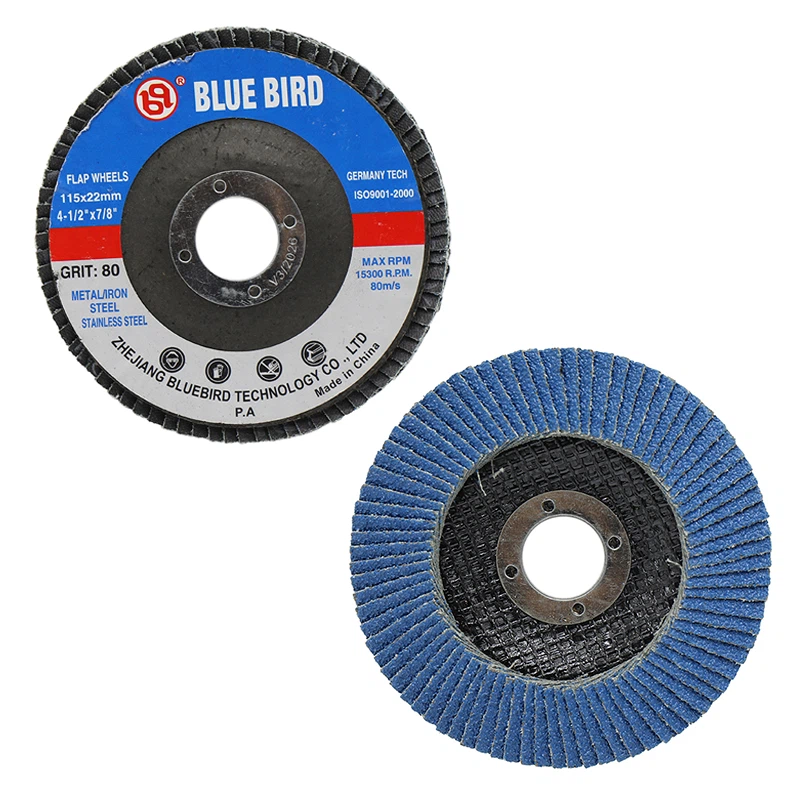

3. Clogging
Rubber has a sticky nature, and the abrasive flaps of a ceramic flap disc can quickly become clogged with rubber particles. Once the flaps are clogged, the disc loses its cutting efficiency and may start to slip on the rubber surface. This not only reduces the effectiveness of the grinding process but also increases the risk of overheating and damage to the disc.
Alternative Abrasive Tools for Rubber
If you need to work on rubber, there are other abrasive tools that are more suitable:
1. Abrasive Flap Discs Designed for Rubber
There are specialized Abrasive Flap Disc that are specifically designed for rubber applications. These discs have a finer grit and a softer abrasive material, which allows for a more controlled and gentle grinding process. They are less likely to generate excessive heat and can provide a smoother finish on rubber surfaces.
2. Sandpaper
Sandpaper is a simple and effective tool for working on rubber. You can choose the appropriate grit size depending on the level of abrasion required. Fine - grit sandpaper is ideal for finishing and smoothing rubber surfaces, while coarser grits can be used for initial shaping or removing larger amounts of material.
3. Diamond - Coated Tools
Diamond - coated tools are another option for working on rubber. Diamond is an extremely hard material, and diamond - coated abrasives can cut through rubber cleanly and efficiently. These tools are often used in precision applications where a high - quality finish is required.
Our Product Range and Expertise
As a supplier of Ceramic Flap Discs, we understand the importance of using the right tool for the job. While our ceramic flap discs are not suitable for rubber, we offer a wide range of other abrasive products that are designed for different materials and applications.
Our Zirconia Flap Disc are a popular choice for metalworking. Zirconia alumina is a tough and durable abrasive material that can handle high - pressure grinding and provide excellent material removal rates. These discs are available in various sizes and grits to meet the specific needs of our customers.
We also offer 115mm Flap Disc, which are a standard size commonly used in many industries. These discs are suitable for a variety of applications, from general metal grinding to surface finishing.
Conclusion
In conclusion, a ceramic flap disc is not the right tool for working on rubber due to its high heat generation, coarse abrasive characteristics, and the risk of clogging. It is important to choose the appropriate abrasive tool based on the material you are working with to ensure a high - quality finish and efficient processing.
If you have any questions about our abrasive products or need advice on the right tool for your application, please feel free to contact us. We are always happy to help you find the best solution for your grinding and finishing needs. Whether you are a professional in the manufacturing industry or a DIY enthusiast, we have the products and expertise to support you.
References
- "Handbook of Abrasive Technology" by M. Field and J. D. B. Smith
- "Rubber Technology" by Maurice Morton
- Industry standards and guidelines for abrasive tool use


