


Can a steel cutting disc be used on tubes?
As a supplier of steel cutting discs, I often get asked this question by customers. The short answer is yes, a steel cutting disc can be used on tubes, but there are several factors to consider to ensure a successful and safe cutting operation.
Understanding Steel Cutting Discs
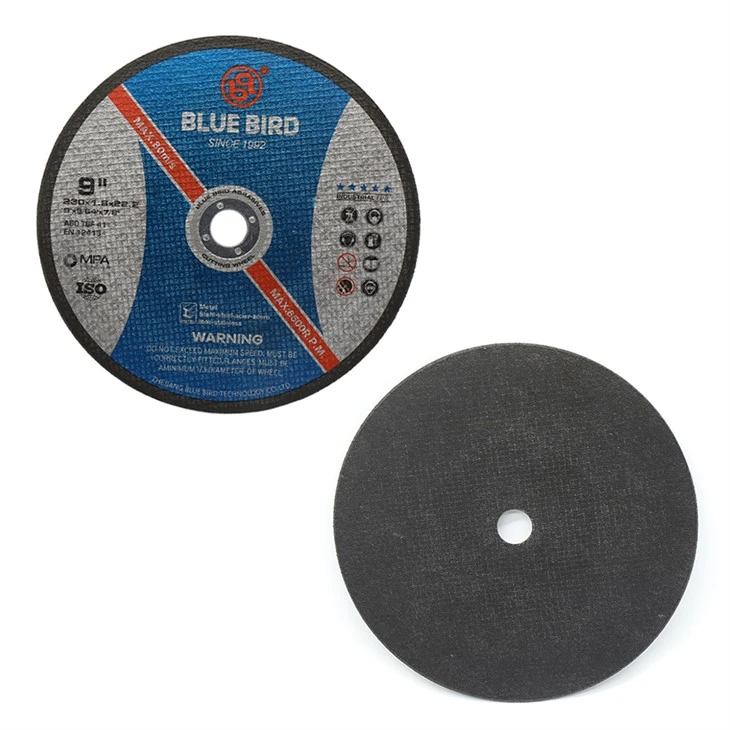
Steel cutting discs are abrasive tools designed to cut through various types of steel. They come in different sizes, thicknesses, and abrasive materials, each tailored to specific cutting applications. The most common types of abrasive materials used in steel cutting discs are aluminum oxide, silicon carbide, and diamond.
- Aluminum Oxide Cutting Discs: These are the most widely used cutting discs for general-purpose steel cutting. They are suitable for cutting mild steel, carbon steel, and low-alloy steel. Aluminum oxide cutting discs are known for their durability and ability to maintain a sharp cutting edge.
- Silicon Carbide Cutting Discs: Silicon carbide cutting discs are more brittle than aluminum oxide discs but offer a faster cutting speed. They are ideal for cutting non-ferrous metals such as aluminum, brass, and copper, as well as some types of stainless steel.
- Diamond Cutting Discs: Diamond cutting discs are the most expensive but also the most effective for cutting hard and abrasive materials. They are commonly used for cutting hardened steel, stainless steel, and other high-strength alloys. Diamond Steel Cutting Disc is a great option if you need to cut through tough materials.
Factors to Consider When Using a Steel Cutting Disc on Tubes
When using a steel cutting disc on tubes, the following factors should be taken into account:

Tube Material
The type of tube material plays a crucial role in determining the appropriate cutting disc. Different materials have different hardness, density, and composition, which can affect the cutting performance and the lifespan of the cutting disc.
- Mild Steel Tubes: Mild steel is a common material used in tube manufacturing. It is relatively soft and easy to cut, making it suitable for most types of steel cutting discs. Aluminum oxide cutting discs are a popular choice for cutting mild steel tubes due to their durability and cost-effectiveness.
- Stainless Steel Tubes: Stainless steel is a more challenging material to cut than mild steel due to its high hardness and corrosion resistance. For stainless steel tubes, it is recommended to use a cutting disc specifically designed for stainless steel, such as Cutting Disc for Stainless. These discs are made with special abrasive materials and bonding agents that can withstand the high heat and pressure generated during the cutting process.
- Hardened Steel Tubes: Hardened steel tubes are extremely hard and require a high-performance cutting disc to achieve a clean and precise cut. Diamond cutting discs are the best choice for cutting hardened steel tubes, as they have the ability to cut through the toughest materials with ease. Best Cutting Disc for Hardened Steel provides excellent cutting performance and durability for hardened steel applications.
Tube Diameter and Wall Thickness
The diameter and wall thickness of the tube also affect the cutting process. Larger diameter tubes and thicker wall thicknesses require more power and a larger cutting disc to make the cut. It is important to choose a cutting disc with the appropriate size and thickness for the tube you are cutting to ensure a smooth and efficient cutting operation.
Cutting Speed and Pressure
The cutting speed and pressure applied during the cutting process are critical factors that can affect the quality of the cut and the lifespan of the cutting disc. It is recommended to follow the manufacturer's guidelines for the recommended cutting speed and pressure for the specific cutting disc and tube material. Applying too much pressure or cutting too fast can cause the cutting disc to overheat, wear out quickly, and produce a poor-quality cut.
Safety Precautions
Safety should always be the top priority when using a steel cutting disc. Here are some important safety precautions to follow:
- Wear appropriate personal protective equipment (PPE), such as safety glasses, gloves, and a face shield, to protect yourself from flying debris and sparks.
- Make sure the cutting machine is properly grounded and in good working condition.
- Secure the tube firmly in place before starting the cutting process to prevent it from moving or vibrating.
- Follow the manufacturer's instructions for installing and using the cutting disc.
- Do not exceed the maximum speed rating of the cutting disc.
- Keep a fire extinguisher nearby in case of a fire.
Benefits of Using a Steel Cutting Disc on Tubes
Using a steel cutting disc on tubes offers several benefits, including:
- Precision Cutting: Steel cutting discs can provide a clean and precise cut, allowing you to achieve the desired shape and size of the tube.
- Versatility: Steel cutting discs can be used to cut a wide range of tube materials, including mild steel, stainless steel, and hardened steel.
- Efficiency: Steel cutting discs are designed to cut through steel quickly and efficiently, saving you time and labor costs.
- Cost-Effective: Steel cutting discs are relatively inexpensive compared to other cutting methods, making them a cost-effective solution for tube cutting applications.
Conclusion
In conclusion, a steel cutting disc can be used on tubes, but it is important to choose the right cutting disc for the specific tube material, diameter, and wall thickness. By considering the factors mentioned above and following the safety precautions, you can ensure a successful and safe cutting operation.
If you are looking for high-quality steel cutting discs for your tube cutting needs, please feel free to contact us for more information and to discuss your specific requirements. We are a leading supplier of steel cutting discs and can provide you with the best products and solutions at competitive prices.
References
- "Cutting Tools Handbook", Industrial Press Inc.
- Manufacturer's product specifications and guidelines for steel cutting discs.


