


When it comes to grinding operations, the choice of grinding disc can significantly impact the efficiency, quality, and overall outcome of the task. As a supplier of Flexible Flap Discs, I've witnessed firsthand the unique advantages that these discs offer in comparison to other types of grinding discs. In this blog post, I'll delve into the flexibility of Flexible Flap Discs and explore how it stacks up against other grinding discs in the market.
Understanding Flexible Flap Discs
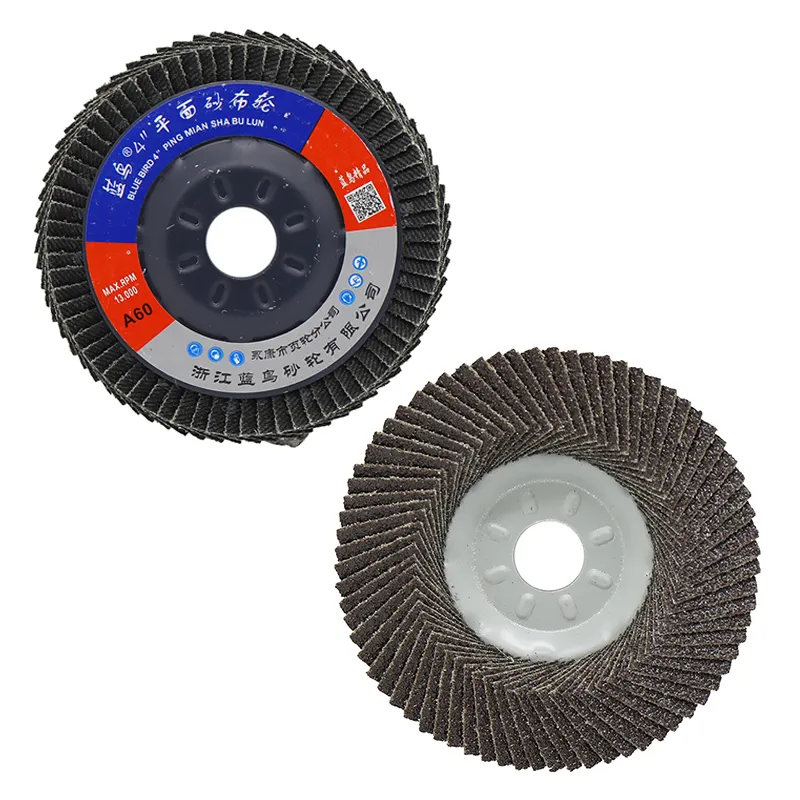
Flexible Flap Discs are a type of abrasive disc that consists of multiple overlapping flaps of abrasive material attached to a central hub. These flaps are typically made from materials such as aluminum oxide, zirconia alumina, or ceramic alumina, which provide excellent cutting performance and durability. The design of the flaps allows them to conform to the shape of the workpiece, providing a consistent and uniform grind across curved, contoured, or irregular surfaces.
One of the key features of Flexible Flap Discs is their flexibility. Unlike traditional grinding discs, which are rigid and inflexible, Flexible Flap Discs can bend and flex to adapt to the shape of the workpiece. This flexibility allows for greater control and precision during grinding, as the disc can follow the contours of the surface without causing excessive pressure or damage. Additionally, the flexibility of the flaps helps to reduce vibration and heat buildup, which can improve the lifespan of the disc and the quality of the grind.
Comparing Flexibility with Other Grinding Discs
To understand how the flexibility of Flexible Flap Discs compares to other grinding discs, let's take a closer look at some of the most common types of grinding discs used in industrial applications:
1. Straight Grinding Wheels
Straight grinding wheels are the most basic type of grinding disc and are commonly used for general-purpose grinding applications. These wheels are typically made from a solid block of abrasive material and are available in a variety of sizes and grits. While straight grinding wheels are effective for removing large amounts of material quickly, they lack the flexibility of Flexible Flap Discs. As a result, they are not well-suited for grinding curved or contoured surfaces, as they tend to leave uneven marks and may cause damage to the workpiece.
2. Depressed Center Grinding Wheels
Depressed center grinding wheels, also known as type 27 grinding wheels, are similar to straight grinding wheels but have a depressed center that allows for greater clearance and access to hard-to-reach areas. These wheels are commonly used for grinding and cutting applications in metalworking, fabrication, and construction. While depressed center grinding wheels offer improved performance and versatility compared to straight grinding wheels, they still lack the flexibility of Flexible Flap Discs. As a result, they may not be suitable for grinding complex shapes or contours.
3. Cut-Off Wheels
Cut-off wheels are thin, abrasive discs that are designed for cutting through various materials, such as metal, stone, and concrete. These wheels are typically made from a combination of abrasive grains and a bonding agent and are available in a variety of sizes and thicknesses. While cut-off wheels are effective for cutting through thick materials quickly, they are not designed for grinding and may cause excessive heat buildup and damage to the workpiece. Additionally, cut-off wheels lack the flexibility of Flexible Flap Discs, making them unsuitable for grinding curved or contoured surfaces.
4. Flap Discs without Flexibility
Some flap discs on the market are designed to be rigid and inflexible, similar to traditional grinding discs. These discs are typically used for heavy-duty grinding applications where a high level of material removal is required. While rigid flap discs offer excellent cutting performance and durability, they lack the flexibility of Flexible Flap Discs. As a result, they may not be suitable for grinding complex shapes or contours, as they tend to leave uneven marks and may cause damage to the workpiece.
Advantages of Flexible Flap Discs
Now that we've compared the flexibility of Flexible Flap Discs with other grinding discs, let's take a closer look at some of the advantages that Flexible Flap Discs offer:

1. Greater Control and Precision
The flexibility of Flexible Flap Discs allows for greater control and precision during grinding, as the disc can follow the contours of the surface without causing excessive pressure or damage. This makes them ideal for grinding complex shapes and contours, such as those found in automotive, aerospace, and marine applications.
2. Improved Surface Finish
The flexibility of the flaps helps to reduce vibration and heat buildup, which can improve the surface finish of the workpiece. This makes Flexible Flap Discs ideal for applications where a smooth, uniform finish is required, such as in the manufacturing of precision parts and components.
3. Longer Lifespan
The flexibility of the flaps helps to distribute the pressure evenly across the surface of the workpiece, which can reduce the wear and tear on the disc. This can extend the lifespan of the disc and reduce the frequency of disc changes, resulting in cost savings over time.
4. Versatility
Flexible Flap Discs can be used for a wide range of grinding applications, including surface grinding, edge grinding, and beveling. They are suitable for use on a variety of materials, such as metal, stainless steel, aluminum, and wood. This makes them a versatile and cost-effective solution for many industrial applications.
Applications of Flexible Flap Discs
Flexible Flap Discs are used in a variety of industrial applications, including:
1. Metalworking
Flexible Flap Discs are commonly used in metalworking applications, such as welding, fabrication, and machining. They are ideal for grinding and finishing metal surfaces, as they can provide a smooth, uniform finish without causing damage to the workpiece.
2. Automotive
Flexible Flap Discs are used in the automotive industry for a variety of applications, including bodywork repair, engine maintenance, and wheel alignment. They are ideal for grinding and finishing automotive parts and components, as they can provide a high-quality finish that meets the strict standards of the automotive industry.
3. Aerospace
Flexible Flap Discs are used in the aerospace industry for a variety of applications, including aircraft manufacturing, maintenance, and repair. They are ideal for grinding and finishing aerospace parts and components, as they can provide a smooth, uniform finish that meets the strict standards of the aerospace industry.
4. Marine
Flexible Flap Discs are used in the marine industry for a variety of applications, including boat building, maintenance, and repair. They are ideal for grinding and finishing marine parts and components, as they can provide a high-quality finish that is resistant to corrosion and wear.
Conclusion
In conclusion, the flexibility of Flexible Flap Discs offers several advantages over other types of grinding discs. Their ability to conform to the shape of the workpiece allows for greater control and precision during grinding, resulting in a smoother, more uniform finish. Additionally, the flexibility of the flaps helps to reduce vibration and heat buildup, which can improve the lifespan of the disc and the quality of the grind. If you're looking for a versatile and cost-effective solution for your grinding needs, consider using Flexible Flap Discs.
If you're interested in learning more about our Flexible Flap Discs or would like to discuss your specific grinding requirements, please don't hesitate to contact us. We'd be happy to help you find the right solution for your needs.
References
- Abrasive Engineering Handbook, 3rd Edition
- Industrial Grinding and Finishing Handbook
- Grinding Technology: Theory and Applications of Machining with Abrasives, 2nd Edition


