


Hey there! As a grinding wheel supplier, I've seen firsthand how crucial it is to balance a grinding wheel properly. A balanced grinding wheel not only ensures a smooth and efficient grinding process but also extends the life of the wheel and the equipment. In this blog post, I'm gonna share some tips on how to balance a grinding wheel like a pro.
First things first, let's talk about why balancing is so important. When a grinding wheel is unbalanced, it can cause vibrations during operation. These vibrations can lead to a whole bunch of problems. For starters, they can make the grinding surface uneven, which means you won't get a consistent finish on your workpiece. Also, excessive vibrations can put extra stress on the spindle and bearings of the grinding machine, leading to premature wear and tear. And let's not forget about safety. An unbalanced wheel can be a real hazard, as it may cause the machine to shake violently, potentially leading to an accident.
So, how do you go about balancing a grinding wheel? Well, the first step is to inspect the wheel. Before you even think about balancing, you need to make sure the wheel is in good condition. Check for any cracks, chips, or other signs of damage. If you find any, it's best to replace the wheel right away. Using a damaged wheel is not only dangerous but can also make it impossible to achieve a proper balance.
Once you've confirmed that the wheel is in good shape, it's time to mount it on the balancing arbor. The balancing arbor is a special tool that allows you to rotate the wheel freely so you can identify the heavy spots. Make sure the arbor is clean and free of any debris, and that it fits the wheel correctly. A loose or misaligned arbor can affect the accuracy of the balancing process.
Now, here comes the fun part - finding the heavy spots. Place the wheel and arbor on a balancing stand. The balancing stand is designed to allow the wheel to rotate freely on a horizontal axis. Once the wheel is on the stand, give it a gentle spin. The heavy spot will naturally settle at the bottom due to gravity. Mark this spot with a piece of chalk or a marker.
After you've marked the heavy spot, you need to add counterweights to balance the wheel. Counterweights are small weights that you attach to the wheel in the opposite direction of the heavy spot. The goal is to offset the weight of the heavy spot and make the wheel spin evenly. You can start by adding a small counterweight and then re - check the balance. Spin the wheel again and see if it still has a tendency to stop with the same spot at the bottom. If it does, you may need to add more weight or adjust the position of the existing counterweights.
Keep repeating this process of adding and adjusting counterweights until the wheel spins freely and stops at random positions on the balancing stand. This indicates that the wheel is balanced. It may take a few tries to get it just right, but with a little patience, you'll get there.
Another important thing to keep in mind is the type of balancing required. There are two main types of balancing: static balancing and dynamic balancing. Static balancing is suitable for most grinding wheels used in general applications. It involves balancing the wheel when it's stationary, as we've just described. However, for high - speed grinding operations or wheels with a large diameter, dynamic balancing may be necessary. Dynamic balancing takes into account the forces that act on the wheel when it's rotating at high speeds. It usually requires specialized equipment and expertise, so if you're dealing with a high - performance application, it's a good idea to consult a professional.
Now, let me tell you a bit about the grinding wheels we offer at our company. We have a wide range of high - quality grinding wheels for various applications. For example, if you're looking for a flap disc, we have the 230mm Flap Disc which is great for grinding and finishing steel surfaces. It provides a smooth and consistent finish, and its durable construction ensures a long service life.
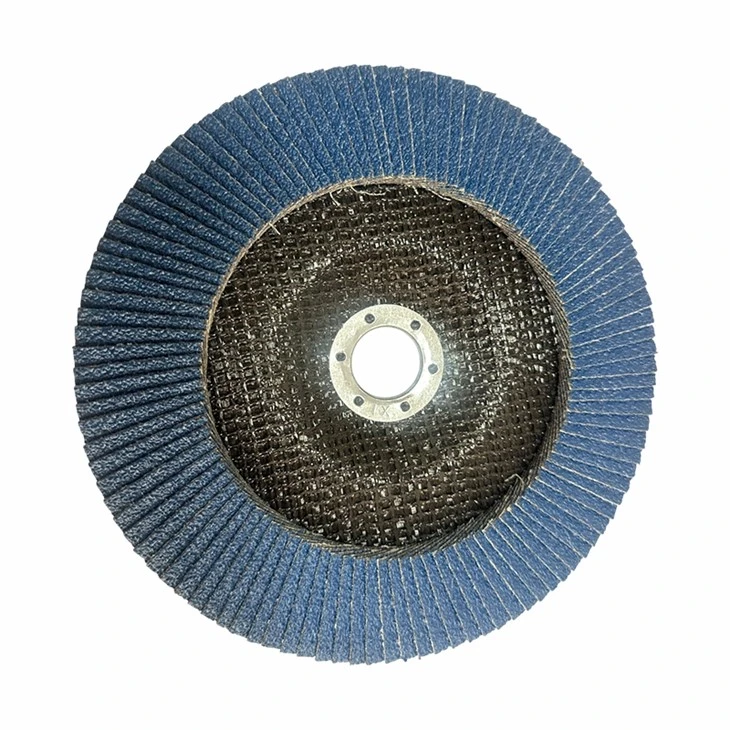

We also have the 3 Inch Flap Disc. This flap disc is made with aluminum oxide abrasive, which is known for its excellent cutting performance. It's perfect for small - scale grinding and finishing jobs.
And if you need a cutting wheel for cast iron, our Cutting Wheel for Cast Iron is a top - notch choice. It's designed to cut through cast iron quickly and cleanly, reducing the risk of cracking or chipping.
Balancing a grinding wheel is an essential skill for anyone who uses grinding equipment. By following these steps and using high - quality wheels, you can ensure a safe, efficient, and productive grinding process. If you're interested in purchasing any of our grinding wheels or have any questions about balancing or other related topics, don't hesitate to reach out. We're here to help you find the right solutions for your grinding needs.
References:
- "Grinding Technology: Theory and Applications of Machining with Abrasives" by Brian R. Marrow
- "Handbook of Machining with Grinding Wheels" by Paul R. King


