


What is the Optimal Water Flow Rate for Wet - Cutting Stone Discs?
As a dedicated supplier of stone cutting discs, I have witnessed firsthand the critical role that water flow rate plays in the wet - cutting process. Wet - cutting stone discs are widely used in the construction, stone processing, and home improvement industries due to their ability to reduce dust, lower the temperature of the cutting area, and extend the lifespan of the cutting discs. However, achieving the optimal water flow rate is often a challenge that many users face. In this blog, I will delve into the factors affecting the optimal water flow rate and provide some practical guidelines for users.
Factors Affecting the Optimal Water Flow Rate
1. Disc Diameter
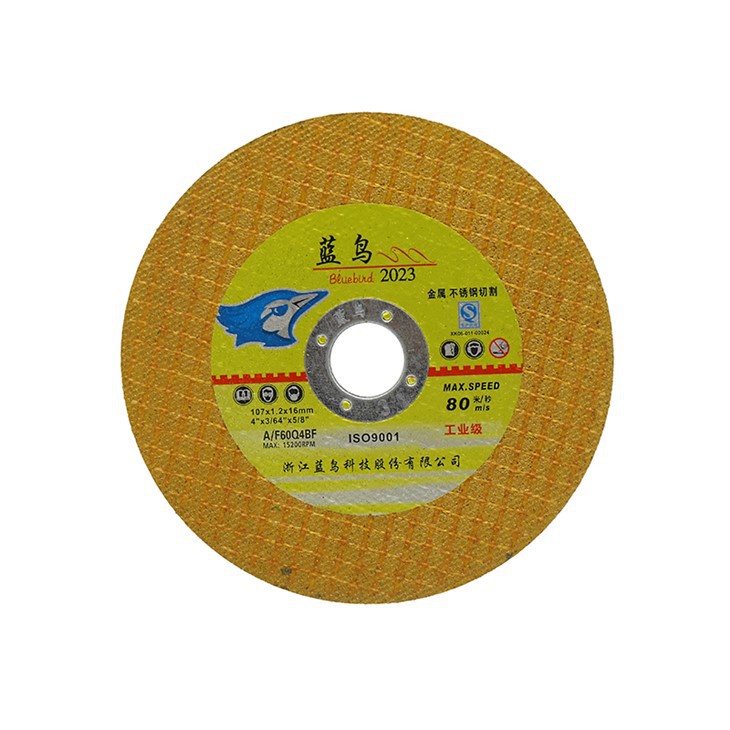
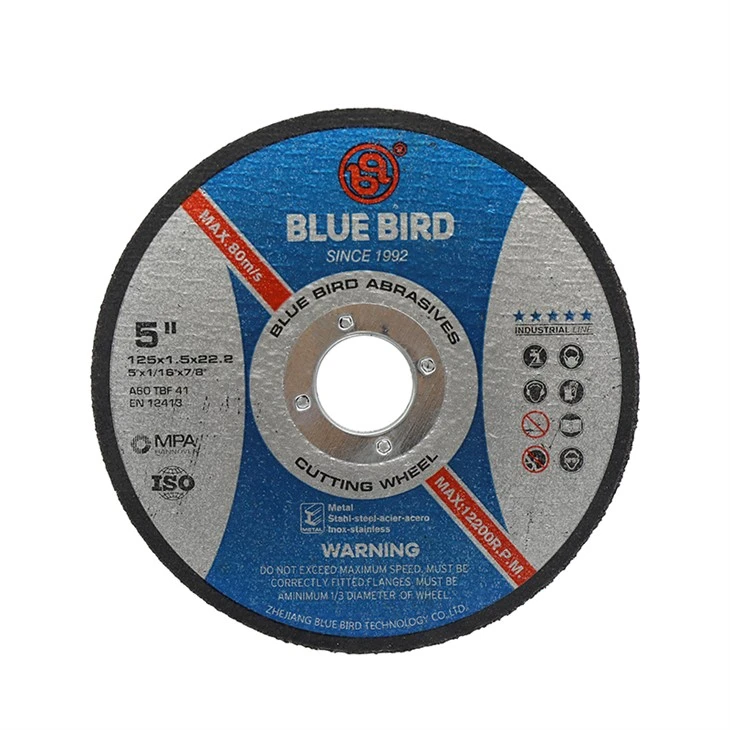
The size of the stone cutting disc is a significant factor in determining the optimal water flow rate. Larger discs typically require more water to maintain a proper cooling and dust - suppression effect. For example, a 4 Inch Stone Cutting Disc has a relatively small cutting area compared to a larger disc. As such, it needs less water to keep the cutting edge cool and to control dust. In general, as the diameter of the disc increases, the water flow rate should be adjusted accordingly. A rule of thumb is that for every increase in disc diameter, the water flow rate may need to be increased by a certain percentage to ensure effective cooling and dust control.
2. Cutting Speed
The speed at which the stone is being cut also influences the optimal water flow rate. Higher cutting speeds generate more heat and dust. When using a Stone Cutting Disc Angle Grinder at a high - speed setting, the water flow needs to be increased to counteract the additional heat produced. Otherwise, the cutting disc may overheat, leading to premature wear and a decrease in cutting performance. Conversely, at lower cutting speeds, less water may be required, but still enough to suppress dust.
3. Stone Hardness
Different types of stones have varying degrees of hardness. Harder stones, such as granite, require more energy to cut, which in turn generates more heat. Therefore, when cutting hard stones, a higher water flow rate is necessary to dissipate the heat and prevent damage to the cutting disc. Softer stones, like limestone, produce less heat during cutting and may need a relatively lower water flow rate. Understanding the hardness of the stone being cut is crucial for determining the appropriate water flow rate.
4. Cooling and Lubrication Requirements
The primary purpose of using water in wet - cutting is to cool the cutting disc and lubricate the cutting interface. A sufficient water flow rate ensures that the cutting disc remains within a safe temperature range, preventing thermal damage such as warping or cracking. Additionally, water acts as a lubricant, reducing friction between the disc and the stone. This not only improves the cutting efficiency but also extends the lifespan of the Cutting Disc Stone.
Determining the Optimal Water Flow Rate
1. Manufacturer's Recommendations
One of the best ways to determine the optimal water flow rate is to refer to the manufacturer's guidelines. Each type of stone cutting disc has specific requirements based on its design, materials, and intended applications. Manufacturers often conduct extensive testing to determine the most suitable water flow rates for different working conditions. By following these recommendations, users can ensure the best performance and longevity of their cutting discs.
2. Initial Testing
In the absence of clear manufacturer's instructions, users can perform initial testing. Start with a moderate water flow rate and observe the cutting process. If the cutting disc overheats, indicated by a visible change in color or a decrease in cutting efficiency, increase the water flow rate. If there is excessive water or water pooling around the cutting area, the flow rate may be too high. Through a series of small adjustments, the optimal water flow rate can be found.
3. Using Flow Meters
For more precise control, flow meters can be installed in the water supply system. These devices measure the volume of water flowing per unit of time, allowing users to accurately adjust the water flow rate. By monitoring the flow rate, it becomes easier to maintain consistent cutting performance and ensure the proper functioning of the cutting disc.
Benefits of Achieving the Optimal Water Flow Rate
1. Extended Disc Lifespan
When the water flow rate is optimal, the cutting disc is effectively cooled, reducing the wear and tear caused by heat. This results in a longer lifespan for the disc, saving users money in the long run. A well - cooled disc also maintains its cutting edge for a longer period, ensuring consistent cutting quality.
2. Improved Cutting Quality
Proper water flow helps to keep the cutting area clean by flushing away debris and dust. This prevents the dust from interfering with the cutting process and improves the smoothness and accuracy of the cut. As a result, users can achieve higher - quality cuts, which is particularly important in applications where precision is crucial.
3. Reduced Dust Exposure
One of the most significant advantages of wet - cutting is the reduction of dust. An optimal water flow rate ensures that dust is effectively suppressed, creating a safer working environment. This is beneficial for both the health of the workers and the compliance with environmental regulations.
Conclusion
Determining the optimal water flow rate for wet - cutting stone discs is a complex but essential task. By considering factors such as disc diameter, cutting speed, stone hardness, and cooling requirements, users can achieve the best cutting performance and prolong the lifespan of their cutting discs. Whether you are a professional contractor or a DIY enthusiast, understanding the importance of water flow rate can make a significant difference in your stone - cutting projects.
If you are interested in purchasing high - quality stone cutting discs or have questions about the optimal water flow rate for your specific applications, please feel free to contact us. Our team of experts is ready to assist you in making the right choices and ensuring a successful cutting experience.
References
- Beckermann, C., & Viskanta, R. (2002). Convection Heat Transfer. Wiley.
- Incropera, F. P., & DeWitt, D. P. (2002). Fundamentals of Heat and Mass Transfer. Wiley.
- Manufacturers' technical documentation on stone cutting discs.


